
AI-Enabled Admissions Automation
Built and delivered an LMS-integrated CRM automation layer for admissions workflow.
LGS designs and builds custom software, ERP systems, LMS platforms and AI-enabled automation in-house — the same team that scopes it is accountable for shipping it, integrating it, and supporting it after launch.
Whether it's one system or a full platform, the same in-house team designs, builds and stays accountable for it.
Outgrown spreadsheets or ageing systems that no longer fit how the business runs.
Needing an LMS or admissions platform built around their actual programmes.

Needing an ERP that scales with the business instead of constraining it.

Wanting AI-enabled automation for repetitive, rules-based processes.
These are the four patterns behind stalled or abandoned software projects — and why we build differently.
A detailed document handed to a vendor who builds something close, not exact — and the gap only shows up once the system is already in use.
ERP, CRM and LMS that don't talk to each other, creating duplicate work and a data set nobody fully trusts because three systems disagree on it.
Processes that could run on automation still running on people and spreadsheets, absorbing hours that could go toward work only a person can actually do.
Ownership and institutional knowledge disappearing the moment the project ends, leaving the business unable to change its own system without going back to the vendor.
Every build is scoped against these four failure points before a line of code is written.
Every build is designed, developed and owned by the same in-house team, from first workflow diagram to production support.

Web and internal tools built around how your business actually operates.
Enterprise resource planning systems tailored to your processes, not the reverse.

Learning management platforms built around your programmes and cohorts.

Automation for repetitive, rules-based work — without losing human oversight.
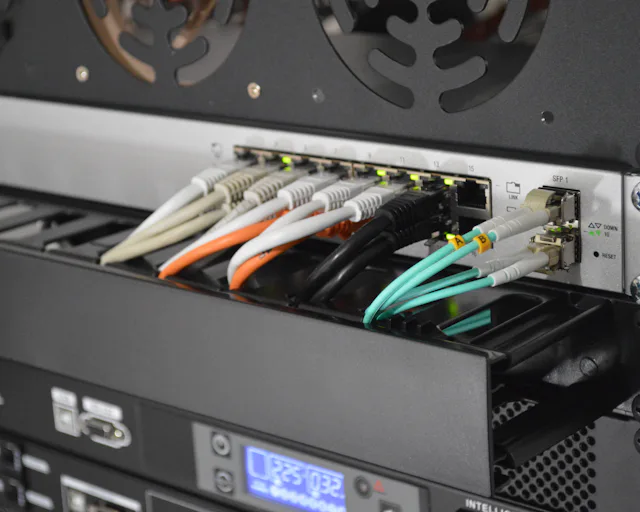
Connecting ERP, CRM, LMS and existing tools into one coherent data flow.
Dashboards and reporting that turn operational data into decisions.
Rebuilding ageing systems without disrupting the business that depends on them.

Ongoing fixes, iteration and support after the system goes live.
Most technology "partners" stop at the specification. Here's what changes when the same team stays accountable through delivery.
Layered onto your existing ERP, CRM or database — not a replacement for the whole system.
Handling routine queries before they need a human.
Extracting and structuring data from forms and documents automatically.
Turning historical data into forecasts your team can actually act on.
Automating follow-ups, approvals and status updates end to end.
Understand the workflow, not just the feature list.
Architecture and interface decisions made before a line of code is written.
Development in-house, with regular working builds, not a single big reveal.
Connect to existing ERP, CRM or data sources before launch, not after.
Stay on for fixes, iteration and support once real usage begins.
Identities and terms stay confidential. These reflect the type of work, not any single, identifiable engagement.
Built and delivered an LMS-integrated CRM automation layer for admissions workflow.
Designed and built an ERP tailored to a multi-site manufacturing workflow.
Built a learning management platform for a multi-programme training provider.
The same team that scopes the build ships it, integrates it and supports it after launch — no hand-off to a different vendor once the demo is over.
The brief is built around how the business actually operates today, not a generic feature list sold the same way to every client.
Documentation and internal capability are part of the delivery, so the system stays something the business can run without permanent dependence on us.
Post-launch fixes and iteration are part of the engagement, not a separate contract renegotiated once the system is already live.
Off-the-shelf software is built for a general market and asks your business to adapt to it. Custom software is built around how your business actually operates, so the workflow fits the team instead of the other way round. It costs more upfront but removes the workarounds that pile up over years of forcing a generic tool to fit.
We build it ourselves, in-house, and stay on through launch and support. We don't hand a specification document to a separate vendor and step away — the same team that designs the system is accountable for delivering and owning it.
It depends on scope, but a focused first version is typically deliverable in a small number of months, with further modules added after launch rather than delaying the first usable release.
Yes. AI agents and workflow automation are usually layered onto your existing systems — ERP, CRM, or internal databases — rather than requiring a full replacement.
Yes. Ownership doesn't end at launch — we stay on for post-launch support, fixes and iteration, since that's usually when real usage patterns surface issues a spec document never would have.
Education, real estate, industrial and trade businesses most often, but the underlying capability — custom software, ERP, LMS and AI automation — applies to any operationally complex business.